
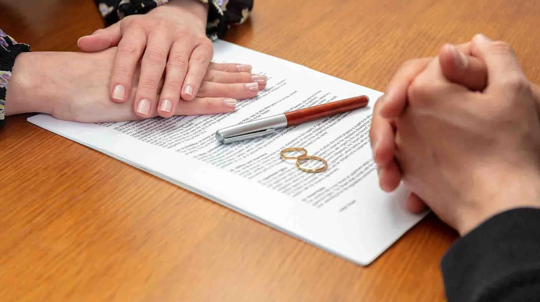
Divorce involving children is a life-changing event that deserves careful planning, especially when you want to avoid courtroom battles. In Nassau County, many parents discover that an uncontested divorce—with cooperation and agreement on issues like child custody and support—can create a smoother path for the entire family. At Jason M. Barbara & Associates, P.C., we understand that what matters most is your children’s well-being and your ability to confidently navigate this process. Here’s how parents in Nassau County can manage an uncontested divorce involving children, with clarity, detail, and a focus on your family’s future.
What Does an Uncontested Divorce Involving Children Mean in Nassau County?
An uncontested divorce with children in Nassau County means you and your spouse reach an agreement on all the major issues—child custody, support, visitation, and division of parenting responsibilities—before court involvement. Both parents must be aligned on every aspect, from weekday schedules to holiday visits, for the court to consider the divorce truly uncontested. The settlement agreement must reflect clear terms, mutual understanding, and a child-centered approach that meets the required legal standards in New York State and Nassau County.
Many people worry that an uncontested divorce is only possible if there are no children or significant assets. In truth, Nassau County courts encourage parents to resolve disagreements and submit detailed, well-thought-out parenting plans and financial disclosures. Doing so helps avoid confusion, ensures all obligations are addressed, and reduces the emotional stress children often face in contested cases. The plan should show how you and your co-parent will make decisions and care for your children after the divorce is finalized.
Pursuing an uncontested divorce calls for effort, transparency, and compromise. Both sides must openly share financial information and discuss the realities of co-parenting. If you are unable to reach an agreement on any point, the entire case may shift to a contested divorce. Working with a knowledgeable legal team, such as Jason M. Barbara & Associates, P.C., can help parents avoid pitfalls and structure child-focused solutions.
If you want to minimize stress and protect your children during divorce, contact us at (516) 406-8381 to schedule a consultation and receive personalized guidance tailored to your family’s needs.
How Parents Can Build & Finalize Child Custody Agreements Without Court Battles
Working through child custody and parenting schedules on your own allows you to retain greater control and tailor arrangements to your unique situation. In Nassau County, successful parenting plans cover where children live, how time is divided during the week, transportation logistics, and emergency protocols. Parents benefit by approaching these discussions as problem solvers who put the children’s best interests first. This collaborative approach also helps children adapt and thrive through the transition because both parents present a united plan.
To finalize a strong out-of-court custody agreement, detail is essential. Many parents start by mapping out living arrangements and routines—such as school pickups, weekend visits, summer vacations, and important holidays. Agreements should also spell out how parents make joint decisions about healthcare, education, and extracurricular activities. Including language about dispute resolution, such as communication guidelines and steps to handle disagreements, further strengthens the plan.
Courts in Nassau County look favorably on families who demonstrate the ability to work together. A comprehensive custody agreement that covers every foreseeable issue, backed by signed statements and documentation, greatly increases the chances of a swift and uncontested court approval. If you’re unsure how to cover all requirements, team members at Jason M. Barbara & Associates, P.C. can help you review draft agreements and ensure no vital point gets missed.
Step-By-Step: Finalizing an Uncontested Divorce With Children in Nassau County
Securing an uncontested divorce with children means following Nassau County’s specific procedures and submitting well-prepared paperwork. Proper documentation helps avoid delays and ensures the court can approve your agreement efficiently.
Most families can break down this process into key steps:
- Draft a Settlement Agreement that includes detailed custody, visitation, and support arrangements.
- File a Summons With Notice or a Summons & Complaint with the Nassau County Supreme Court.
- Submit related documents, such as the Affidavit of Plaintiff, Child Support Worksheet, Proposed Judgment of Divorce, and affidavits confirming agreement.
- Double-check all forms for errors, omissions, and complete signatures.
- Await court review, which may include clarifications or requests for more documentation.
The whole process relies on mutual agreement and full transparency. An incomplete or inconsistent filing can trigger delays, added expenses, or even force your divorce into contested status. If everything is in order, a judge will sign the final Judgment of Divorce—formalizing your agreement and your new co-parenting structure. Typically, the turnaround time ranges from several weeks to a few months, based on court schedules and the quality of your initial submission.
Each step requires accuracy and thorough documentation. Many parents consult a Nassau County-based legal team, like Jason M. Barbara & Associates, P.C., to check for common mistakes and ensure their paperwork meets all county and state guidelines. This reduces stress and increases your chances of a seamless process.
Critical Documents & Information Needed for Child Custody & Support Agreements
Nassau County courts require a comprehensive set of documents in divorce cases that involve children. Some of the most important records include updated income verification, tax returns, bank and asset statements, health insurance information, and a completed Child Support Worksheet. This worksheet uses the latest income figures for both parents and ensures that your proposal meets or clearly explains any deviations from the statutory Child Support Standards Act.
Your custody and parenting agreement should be just as thorough. In addition to specifying the living arrangement and visitation schedule, address key decisions about your child’s school, healthcare providers, extracurricular activities, and holiday or vacation schedules. Be sure to include how you’ll handle future changes, transportation details, and any special needs your children may have. These specifics add clarity and help avoid misunderstandings down the road.
Missing or unsigned documents are a common stumbling block. Before filing, review your full package to confirm everything is present and properly filled out. When questions arise, working with a local law firm like Jason M. Barbara & Associates, P.C. can give you confidence that every detail is accounted for, helping to ensure approval by the Nassau County Supreme Court.
How Child Support Is Determined in Nassau County Uncontested Divorce Cases
Child support calculation in Nassau County follows the New York Child Support Standards Act (CSSA), which uses both parents’ combined adjusted gross income to determine a base support figure. The law applies a set percentage based on the number of children: 17% for one child, 25% for two, and incrementally higher for each additional child. Deductions for FICA, Medicare, and local taxes are standard, and both parents must provide proof of income, such as pay stubs, W-2s, or recent tax filings.
The court generally follows the calculated amount unless you and your co-parent agree to a different figure and justify the deviation with clear reasoning, such as specific health, education, or special needs expenses for your child. Judges require that your agreement spell out what the statutory guideline would have been and why your alternative arrangement better serves the child.
Support agreements often address additional expenses, like:
- Health insurance premiums and out-of-pocket health care costs
- Daycare or after-school program fees
- Cost of extracurricular activities or camps
When calculating support and completing the Child Support Worksheet, transparency and accuracy matter. If job loss, major pay changes, or new expenses arise later, you may seek modification, but the original documentation will be crucial. A skilled family law team, such as Jason M. Barbara & Associates, P.C., can help ensure your support agreement reflects your family’s real financial situation and the needs of your children.
What Happens if Parents Can’t Agree—Will the Divorce Become Contested?
Sometimes even committed co-parents encounter sticking points—like how to split holidays, adjust for changing work schedules, or allocate medical costs. In Nassau County, a disagreement over any parenting or financial issue can temporarily halt an uncontested divorce. However, this doesn’t mean the whole process is lost. Several problem-solving options exist before the case is labeled contested.
Many families resolve disputes through mediation—a voluntary process where a neutral party helps both parents communicate and generate solutions. Nassau County often encourages mediation or forms of collaborative law to minimize stress and preserve family relationships. If issues remain, a judge may address only the unresolved item, or the case may shift to a full contested proceeding if broad disagreement surfaces.
Approaching negotiation with flexibility and guidance from advisers who know local rules gives co-parents a greater chance of keeping things uncontested. When impasses do occur, Jason M. Barbara & Associates, P.C. provides focused legal advice and alternative dispute options, so your divorce can stay on the most cooperative and child-centered path possible.
Emotional & Practical Impact of an Uncontested Divorce on Children
An uncontested divorce often produces the least disruption for children by reducing parental conflict and setting predictable routines. Studies repeatedly show that minimizing legal fights and maintaining strong co-parenting leads to better outcomes for kids’ emotional health. When your parenting plan results from mutual decision-making rather than court orders, children are more likely to feel secure and reassured about the future.
Clear parenting schedules and written agreements reduce confusion for children. They know where they will be on school days, holidays, and weekends, making transitions smoother. Regular communication about school, health, and activities helps both parents stay involved and foster stable support systems for their children, even after the marriage ends.
Parents can support children even more by being sensitive and respectful in conversations, keeping disputes private, and seeking counseling or support services as circumstances require. At Jason M. Barbara & Associates, P.C., we encourage parents to make thoughtful, child-centered choices. Our team focuses on guiding families through divorce with an emphasis on children’s long-term well-being and practical everyday stability.
Common Mistakes in Nassau County Uncontested Divorces & How to Avoid Them
Though uncontested divorce is less adversarial, many parents make avoidable mistakes that jeopardize their agreements or make life harder for their children. Some of the most common errors in Nassau County include submitting incomplete agreements, failing to document how to handle future changes, or omitting key financial disclosures. Courts may reject such filings, which leads to delays, added costs, and more stress for everyone involved.
Another frequent issue is misunderstanding child support calculations or overlooking expenses such as health insurance, extracurricular activities, or childcare when negotiating the support plan. If these items become disputes later, the original agreement may need to be modified through additional court orders, which can be expensive and emotionally taxing for your children.
Neglecting to have a legal professional review your documents is another mistake. Many self-prepared or template-based custody agreements fail to address the realities of your family or the nuanced requirements of Nassau County. At Jason M. Barbara & Associates, P.C., we focus on helping parents produce agreements that are clear, thorough, and enforceable, avoiding issues that can undermine your new family structure.
When to Consult a Nassau County Family Law Attorney & the Benefits of Local Guidance
The decision to work with a Nassau County family law attorney often saves time, money, and stress—especially when you’re navigating divorce with children. While uncontested cases might seem straightforward, legal counsel helps ensure your agreement meets current laws, includes all vital details, and anticipates future scenarios. This support is invaluable if your situation is complicated by unique child needs, property issues, or changing financial circumstances.
Local family law teams understand the Nassau County court system, local procedures, and the specific preferences of area judges. By working with Jason M. Barbara & Associates, P.C., you benefit from direct attorney involvement, modern legal technology, and a genuinely individualized approach to your case. This reduces the risk of avoidable errors and boosts your confidence that both the paperwork and agreements are strong and clear.
Our commitment to personal service means you’re supported from start to finish, with transparent communication and advocacy. By offering initial consultations and reduced fees for military personnel, law enforcement, and firefighters, our team demonstrates dedication to the region’s families and community members. If you’re facing challenges or uncertainty, consulting with an attorney early can streamline the journey while keeping your children’s interests at the forefront.
First Steps for Nassau County Parents Ready to Begin the Uncontested Divorce Process
Starting your uncontested divorce in Nassau County means organizing your plans and documentation before getting the courts involved. Proper preparation can help streamline the process and reduce potential delays.
Here’s how you can begin:
- Discuss your parenting and financial arrangements openly with your co-parent.
- Create a detailed parenting plan that covers custody, visitation, holiday schedules, and dispute resolution.
- Gather and organize all financial records, pay stubs, tax documents, and relevant insurance information.
- Review Nassau County Supreme Court filing requirements and ensure your paperwork is complete and precise.
- Consider scheduling a consultation with a local attorney to review your settlement agreement and court forms before submission.
Taking these steps can reduce delays and stress for you and your children. For guidance or to explore your options, call Jason M. Barbara & Associates, P.C. at (516) 406-8381. We help families navigate divorce with confidence and care.